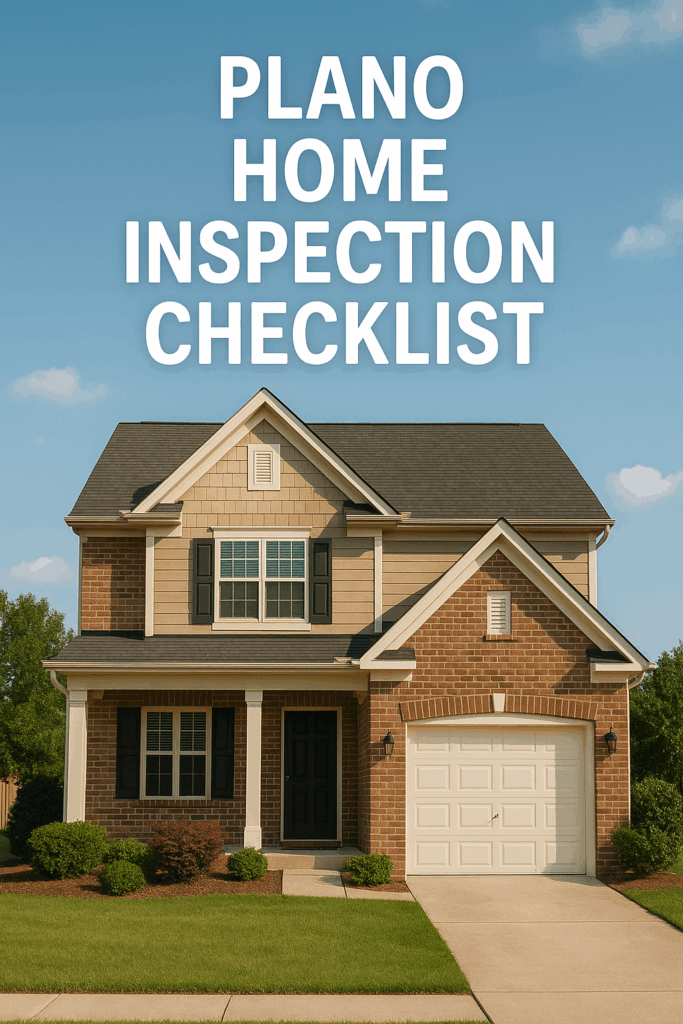
We start with the foundation. Plano’s clay-heavy soil expands and contracts with the seasons, which can cause cracks, settling, or sloping floors. Whether you’re buying in a mature area like Preston Meadow or selling in a newer community like Legacy West, foundation stability is one of the first things I check as your home inspector in Plano TX. For buyers, it can be a negotiating tool, especially if the home inspection report reveals significant issues. For sellers, it’s a chance to get ahead of problems before they affect value and potentially deter buyers.
Roofing is another priority. Between Texas hailstorms and intense summer sun, Plano homes endure serious wear and tear. I inspect shingle condition, flashing integrity, and look for signs of leaks or aging materials. A worn roof isn’t always obvious from the street but can make a big difference in insurance quotes and repair costs, often appearing as a key item on the home inspection checklist.
HVAC systems are a major consideration in Plano’s climate. I evaluate the system’s age, performance, and energy efficiency. Buyers want assurance their cooling system can handle triple-digit summers, and sellers who proactively address HVAC issues often have smoother negotiations and faster closings. Identifying potential HVAC problems is a standard part of any comprehensive home inspection in Plano.
Electrical systems are particularly important in older Plano neighborhoods, where original panels may not meet today’s standards. I check for overloaded circuits, outdated breakers, improper wiring, and missing GFCI protection. These safety and insurance-related issues are often overlooked until the inspection—but they can become big sticking points. When you find a home inspector in Plano TX, ensure they thoroughly assess the electrical system.
Plumbing is another area where I pay close attention. I inspect for leaks, pipe material, water pressure, and drainage speed. In homes built before the 1990s, I often recommend a sewer scope to identify root intrusion or deterioration in the main line. A small investment here, guided by your home inspector, can save thousands in repairs later.
Drainage and grading are frequently underestimated. Poor drainage can lead to foundation problems, mold, and erosion. I assess how rainwater moves around the home and ensure that gutters and downspouts are directing water away from the structure. Addressing drainage issues is a proactive step sellers can take before a home inspection.
Pest issues also show up in Plano, especially in homes backing up to greenbelts or creeks. Termites, ants, and rodents can cause hidden damage that only a trained eye can catch. I inspect crawl spaces, attics, and wood framing for signs of activity or past infestations. Even luxury homes aren’t immune to these common home inspection issues.
Energy efficiency is a growing priority in Plano, especially with many buyers concerned about rising utility costs. I evaluate window condition, insulation levels, and HVAC performance to help clients understand where improvements can be made. Sellers who make targeted upgrades often see a return in both price and buyer interest. Understanding the energy efficiency aspects is part of a detailed home inspection checklist.