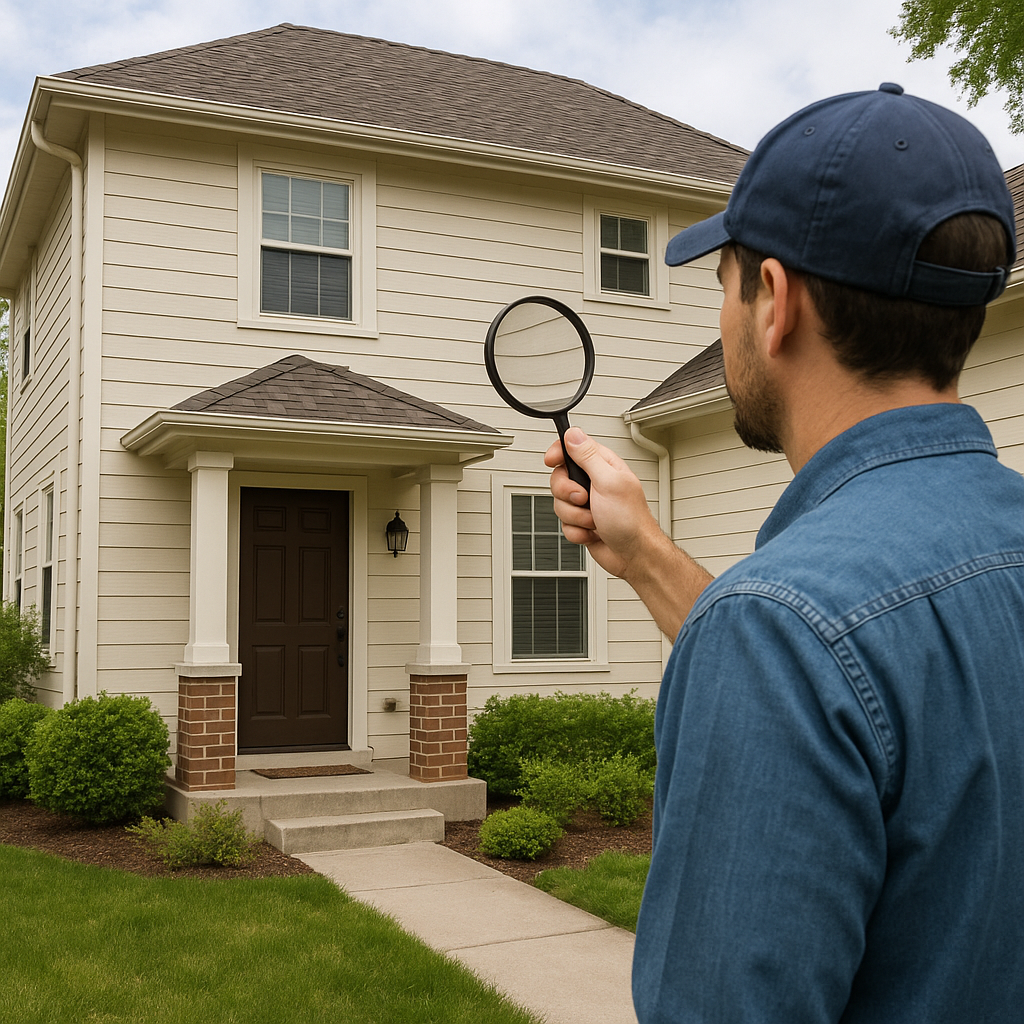
Let’s start with the foundation. Like most of North Texas, Fort Worth sits on clay-rich soil that expands and contracts with changes in moisture. Over time, this movement can lead to cracks, uneven floors, and sticking doors. While these signs may seem minor, they often signal more serious structural shifts. For buyers, they represent negotiation opportunities. For sellers, addressing foundation issues early can prevent delays and protect your asking price.
Next up: roofs. Between blazing heat, sudden hailstorms, and gusty plains winds, Fort Worth roofs face year-round stress. I look beyond curb appeal to identify damaged shingles, soft decking, and poor flashing. A clean roof inspection adds value and buyer confidence, while unresolved issues can quickly become costly setbacks.
HVAC systems are another major consideration. In Fort Worth’s climate, reliable air conditioning is essential—not optional. I evaluate system age, performance, and energy efficiency. For buyers, this helps forecast costs. For sellers, servicing or upgrading your unit can increase appeal and reduce post-inspection haggling.
Electrical systems often vary by neighborhood and home age. Many older Fort Worth homes have outdated panels, ungrounded outlets, or aluminum wiring. I guide clients through what’s safe, what needs updating, and what’s likely to raise insurance or safety concerns. Even small electrical issues can carry weight in today’s market.
Plumbing is another key focus. Galvanized or cast-iron pipes—common in homes built before the 1980s—can corrode, clog, or fail over time. I look for slow drains, low water pressure, and signs of water staining or discoloration. In older homes, I often recommend a sewer scope inspection to catch hidden issues before they become expensive surprises.
Drainage problems are common in Fort Worth, especially in flat-lot neighborhoods or areas with aging infrastructure. Poor grading, inadequate gutters, or short downspouts can direct water toward the foundation—leading to mold, shifting slabs, or costly erosion. I always evaluate how water moves around the property and suggest improvements where needed.
Pests are another real concern—especially termites. In Fort Worth, where mature trees and older wood-framed homes are common, I check attics, crawlspaces, and exterior walls for signs of activity or past damage. Pest issues can affect safety, value, and negotiations if left unchecked.
Energy efficiency also plays a growing role in today’s market. Fort Worth buyers are increasingly conscious of insulation, window quality, HVAC performance, and utility costs. I assess these features to help sellers highlight upgrades—or guide buyers on where improvements could pay off.